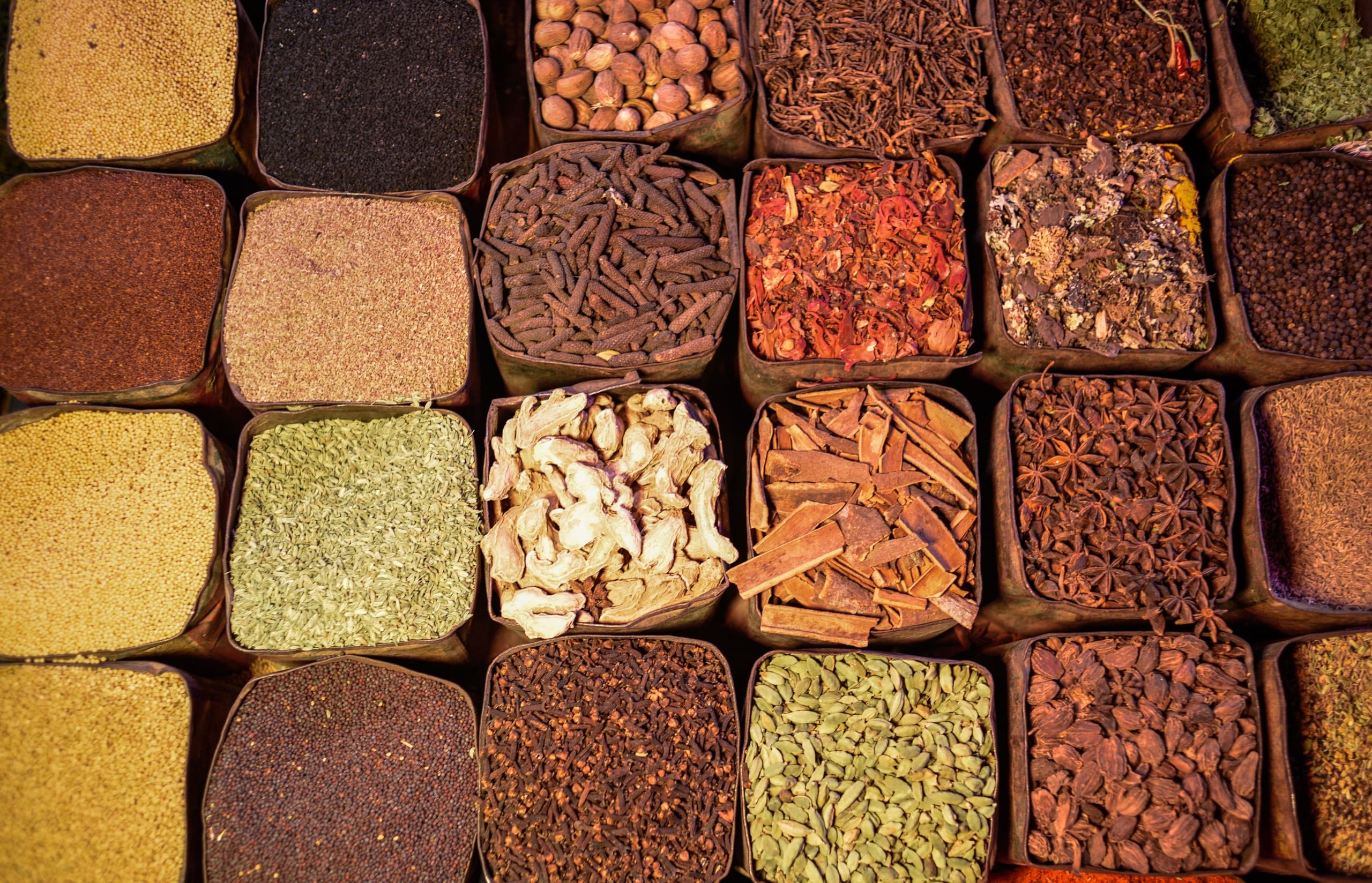
Why partner with us?
We supply Vietnamese botanicals direct from origin, documented and packed to the specification your process runs on.
Request a quote- Direct from origin
- Grown and processed in Vietnam, sourced without middlemen.
- Quality documented
- Representative COA and CERT available for every product.
- Flexible packaging
- 1, 5 and 25 kg options, with MOQ to suit your volume.
- Three forms
- Whole herbs, milled powder and standardized extract.
Certified to


Browse by category
Five botanical groups covering everything we export from Vietnam, from culinary spices through to standardized plant extracts. Each one is available whole, milled or extracted, in the grade your process calls for.
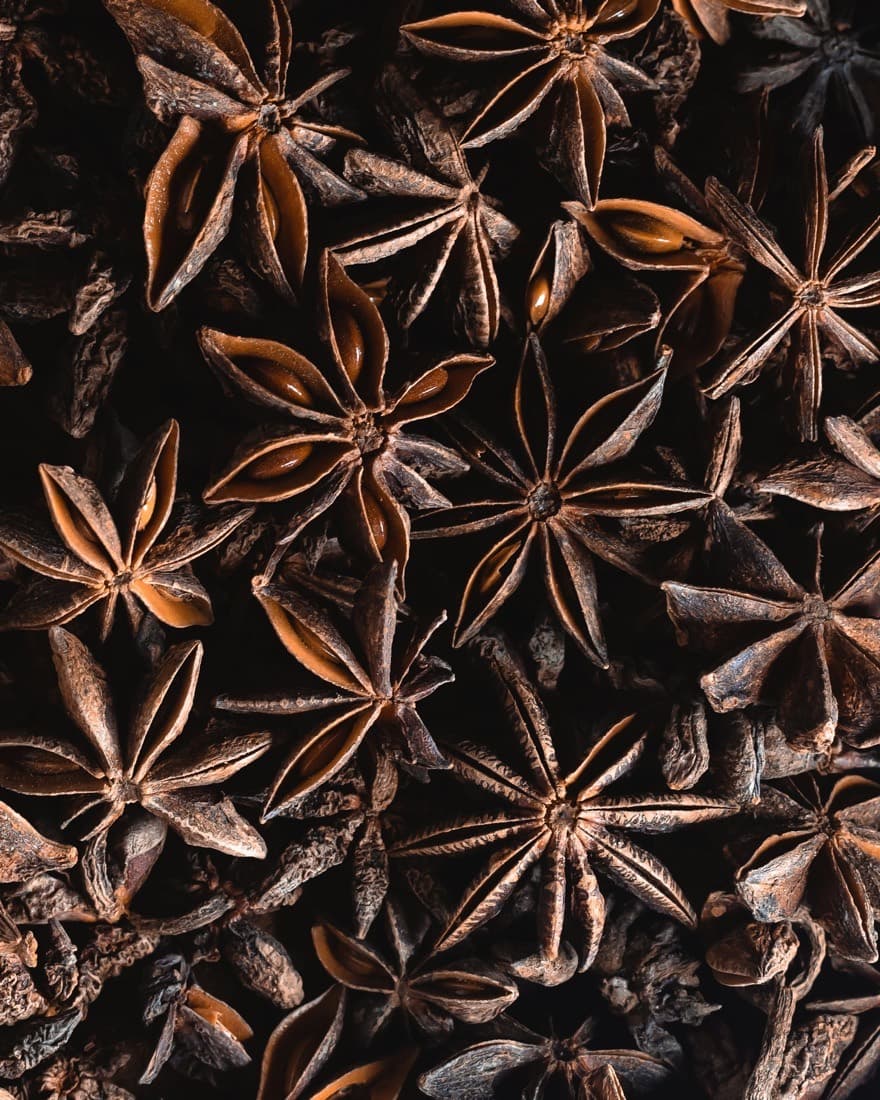
Spices
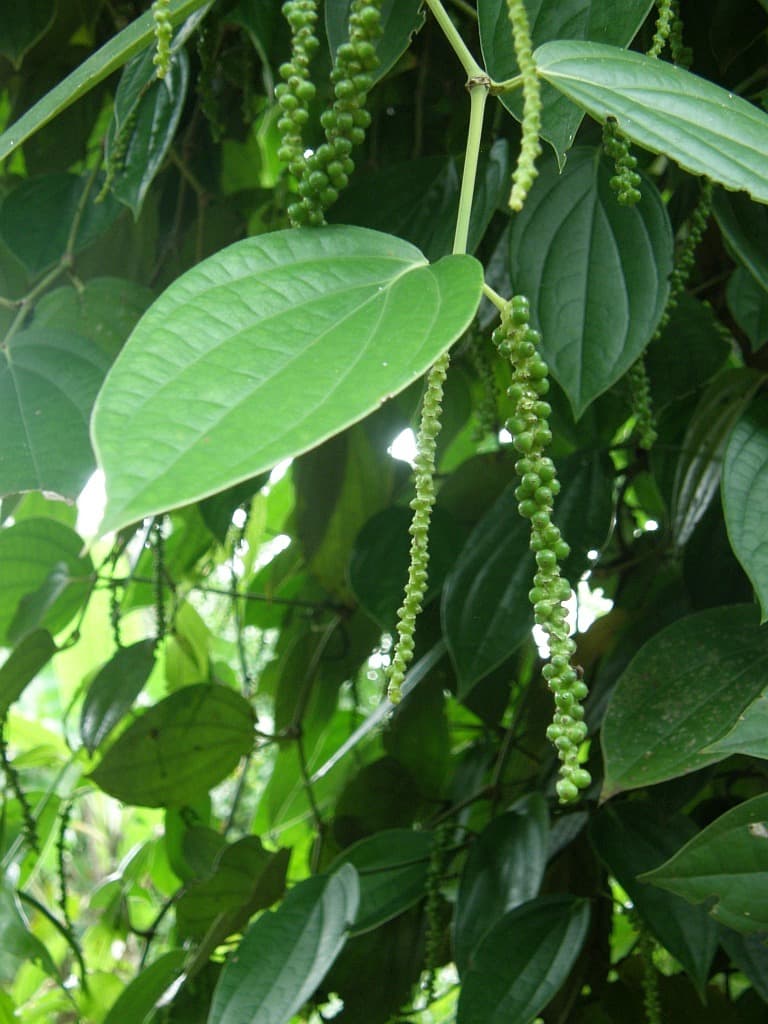
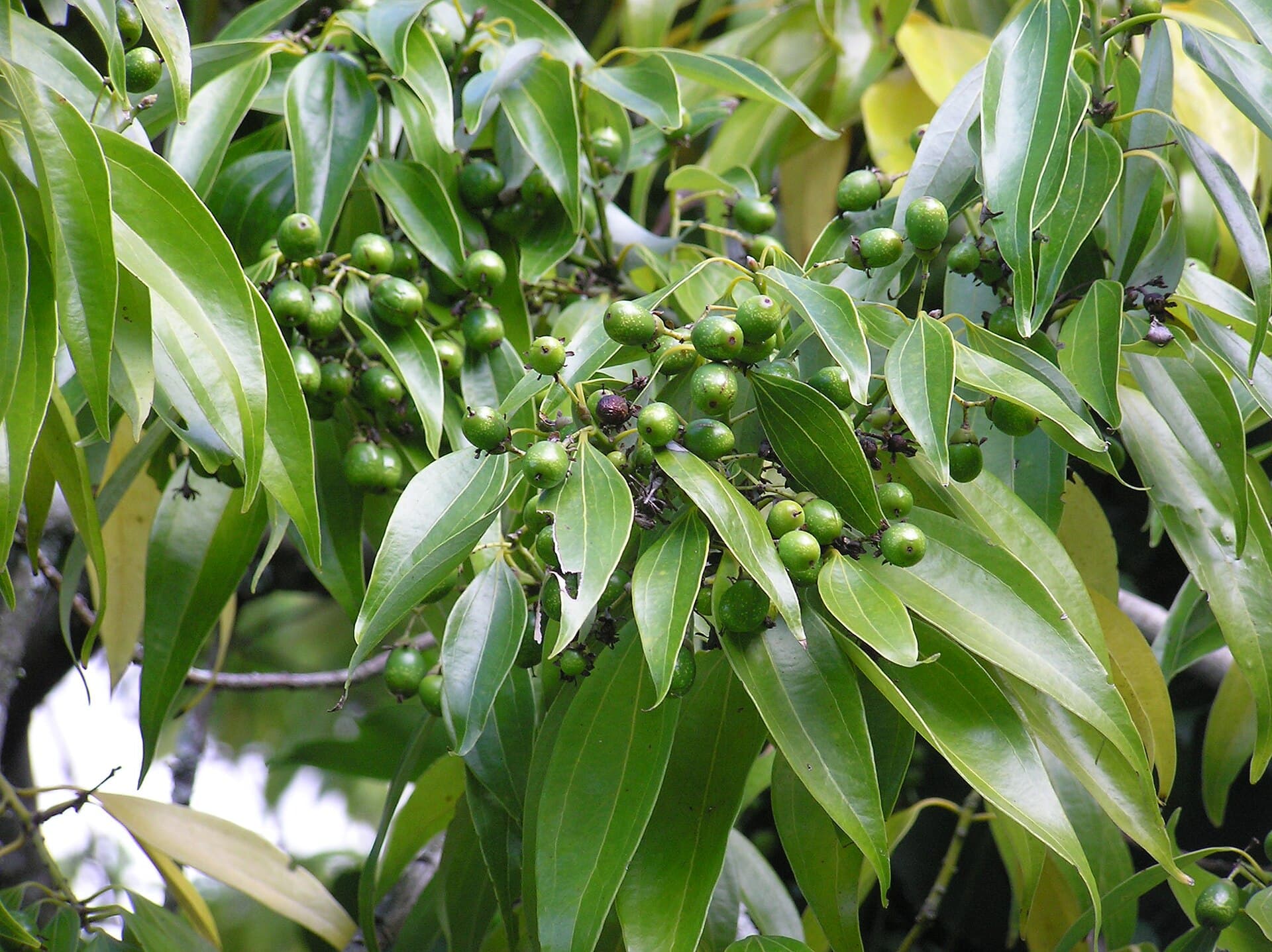
Cassia and cinnamon, star anise, black and white pepper, cardamom and clove, supplied whole, cracked or milled to your grade.
Explore Spices
Featured botanicals


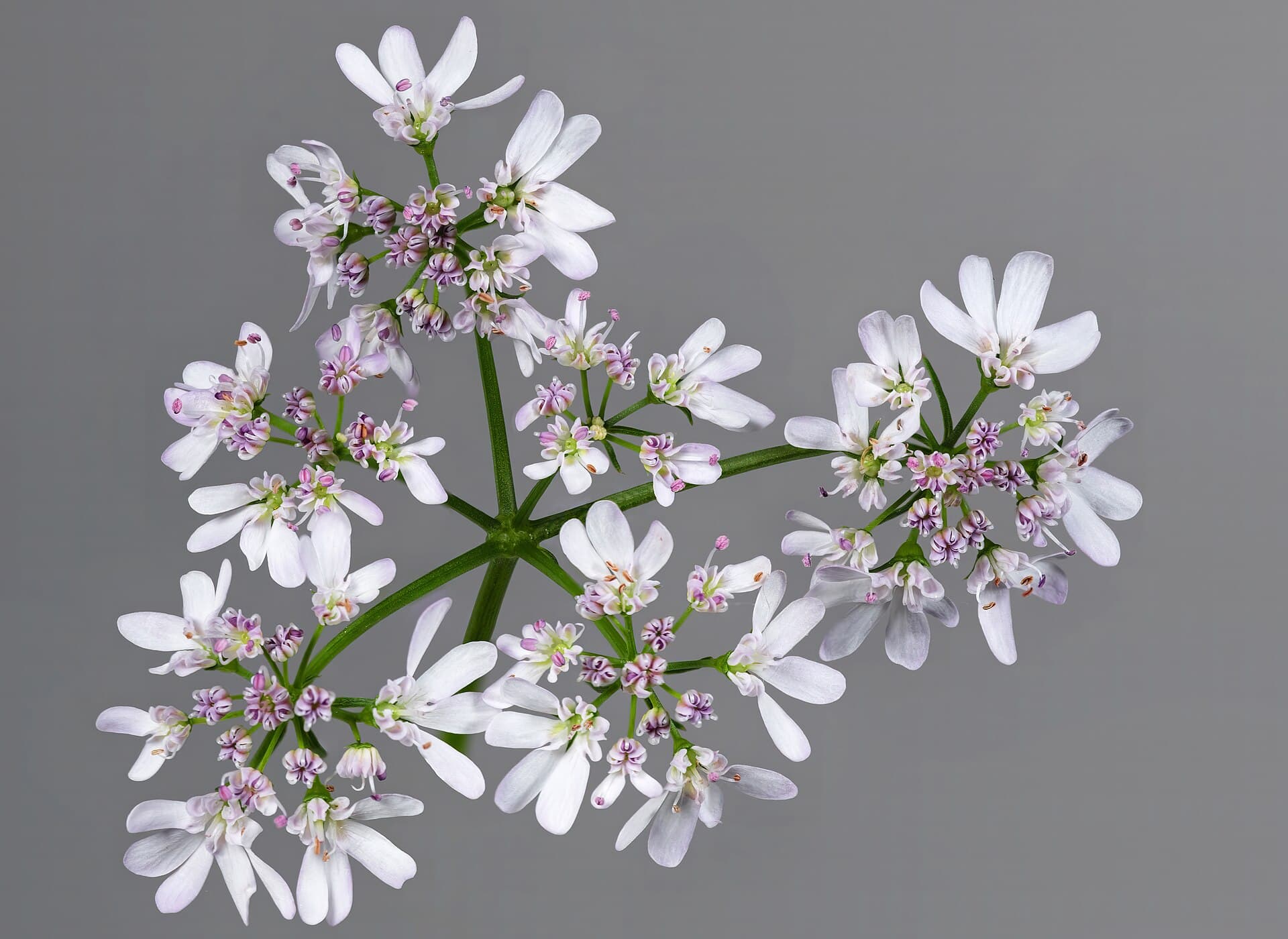
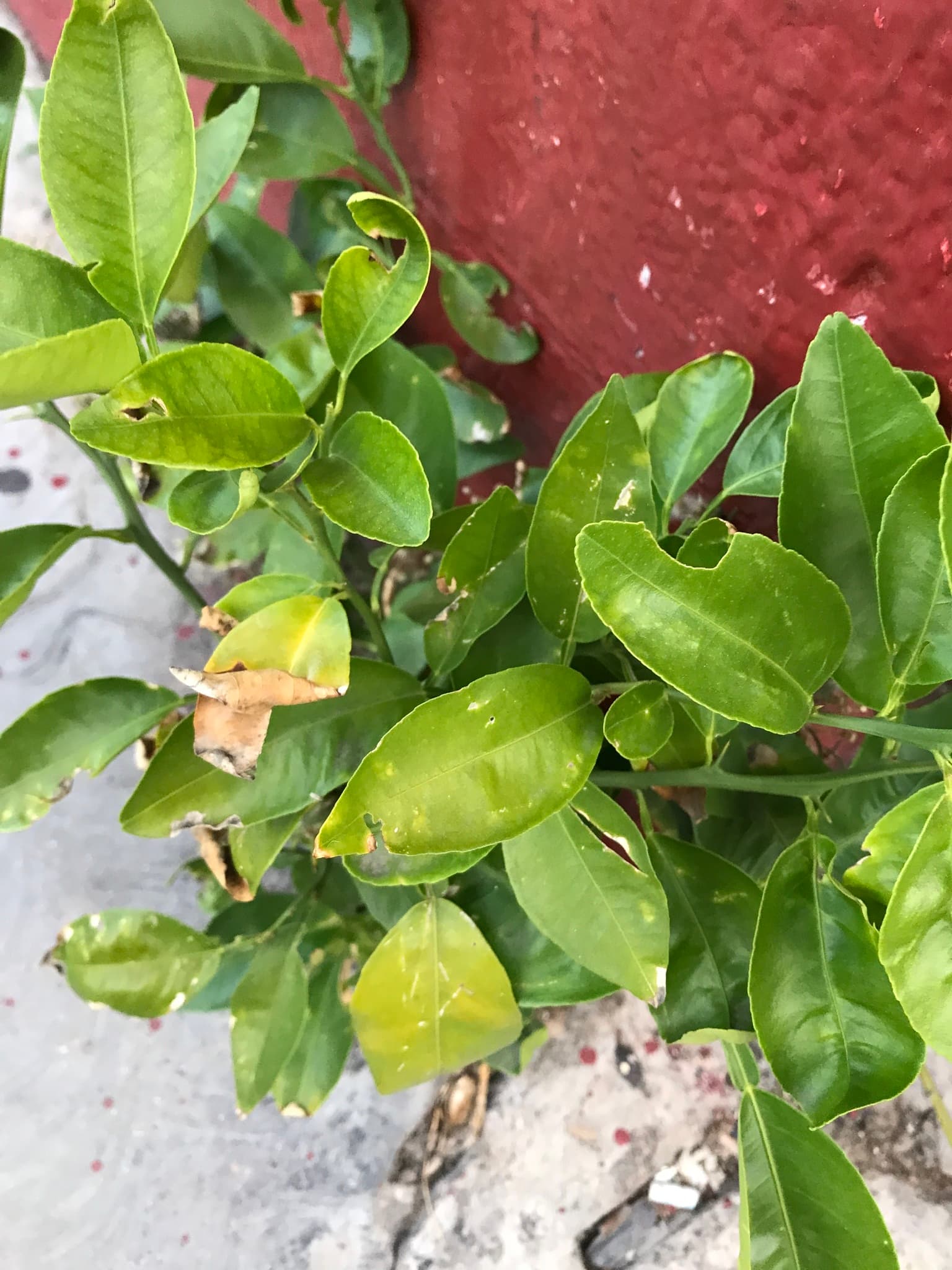


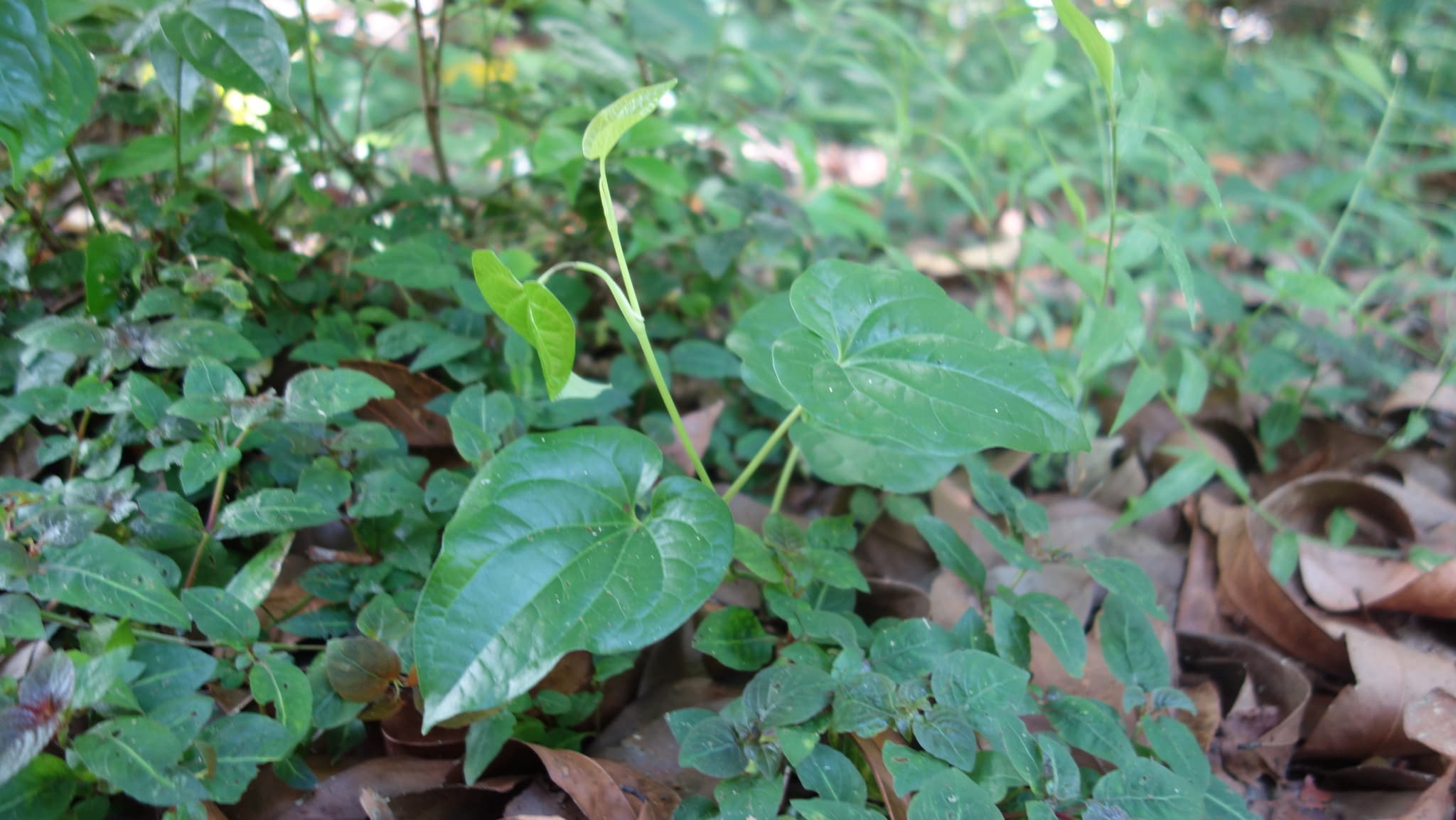
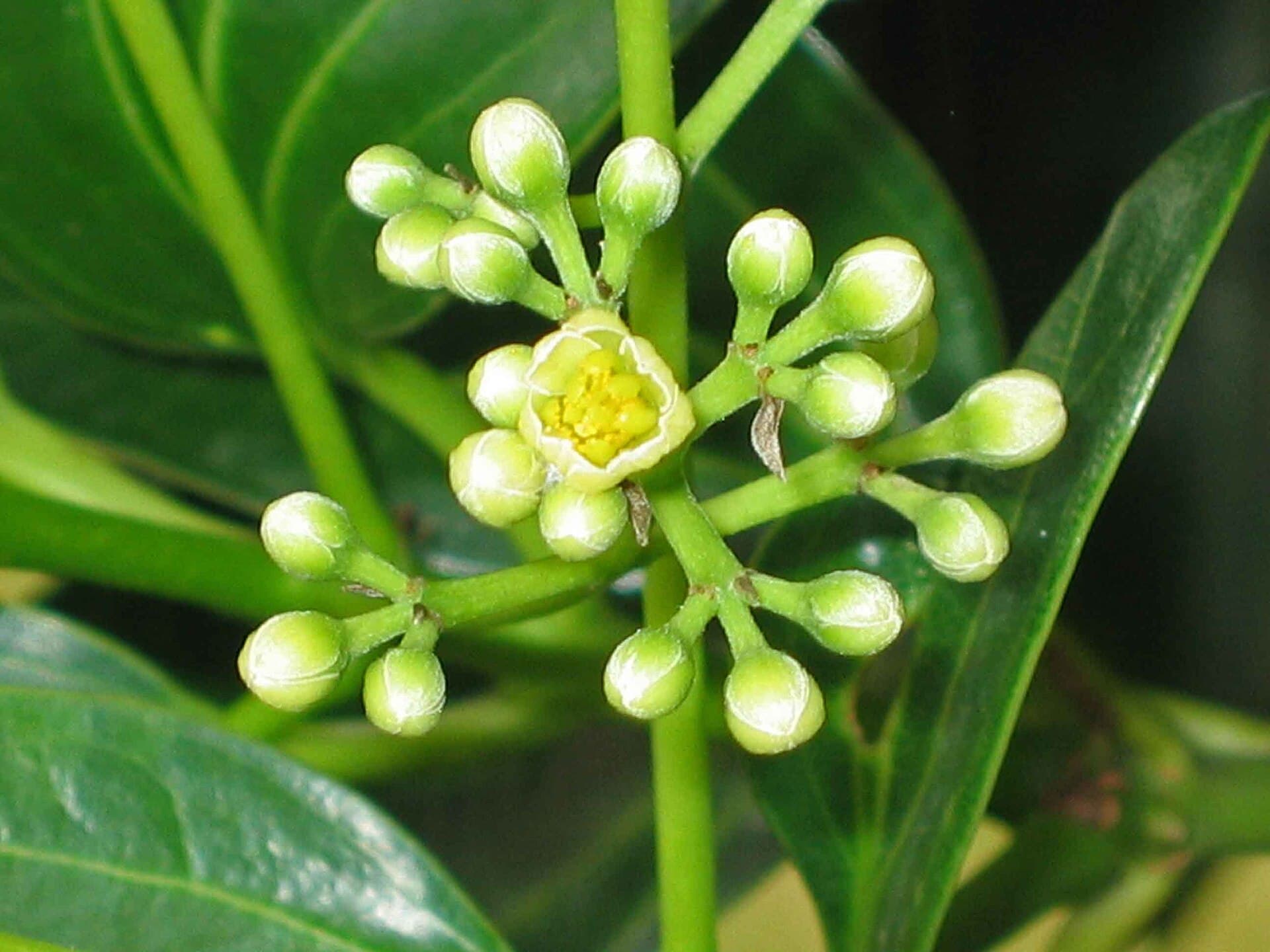
Industries we serve
Where our botanicals go once they leave Vietnam. Each sector needs a different grade, cut and document set, so we supply to those requirements rather than to one standard spec.
 Food & Beverage
 Tea & Infusions
 Nutraceuticals & Supplements
 Cosmetics & Personal Care
 Flavor & Fragrance
 Traditional Medicine
Your sector is not on this list?
Send us the specification you work to. The trade desk will come back with the grades we can supply, representative samples and pricing for your volume.
Talk to the trade desk →From Vietnamese farms to your dock, one integrated chain
We work directly with growers and keep processing, quality and export in-house, so supply stays traceable from origin to importers worldwide.

Farms & growers
Direct relationships with smallholder farms across Vietnam.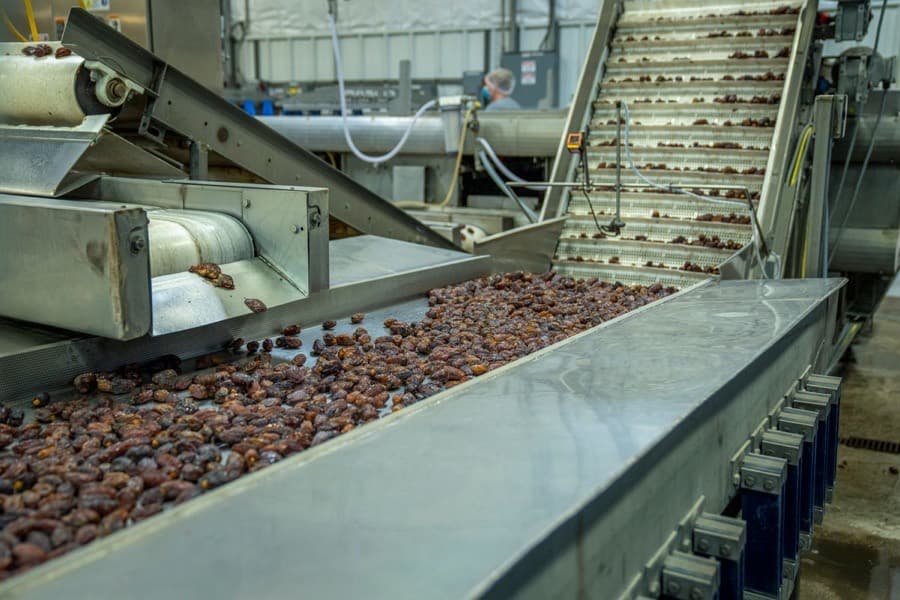
Sourcing & sorting
Collected, cleaned and graded at origin.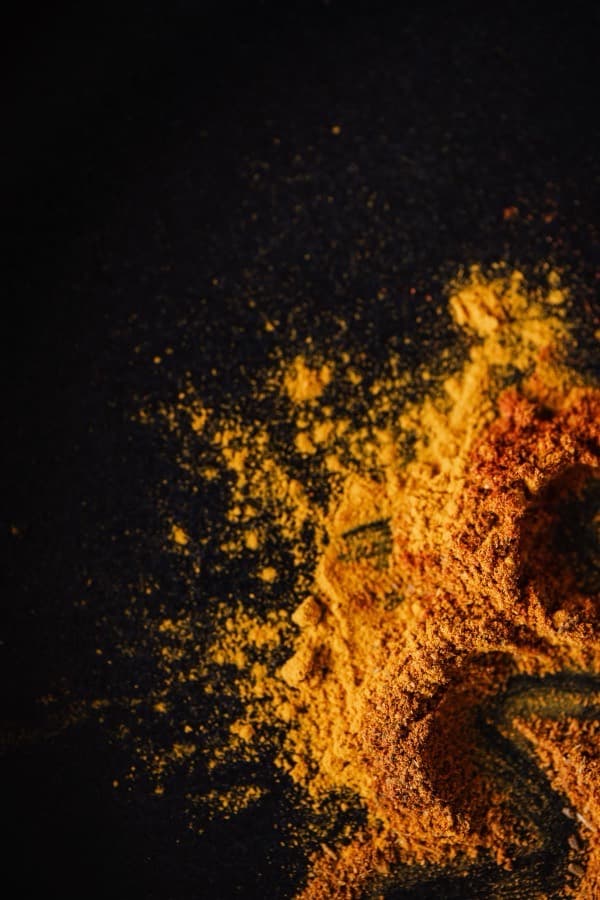
Processing
Dried, milled and extracted into three forms.
Quality & documents
Lab-checked, with COA and CERT for every lot.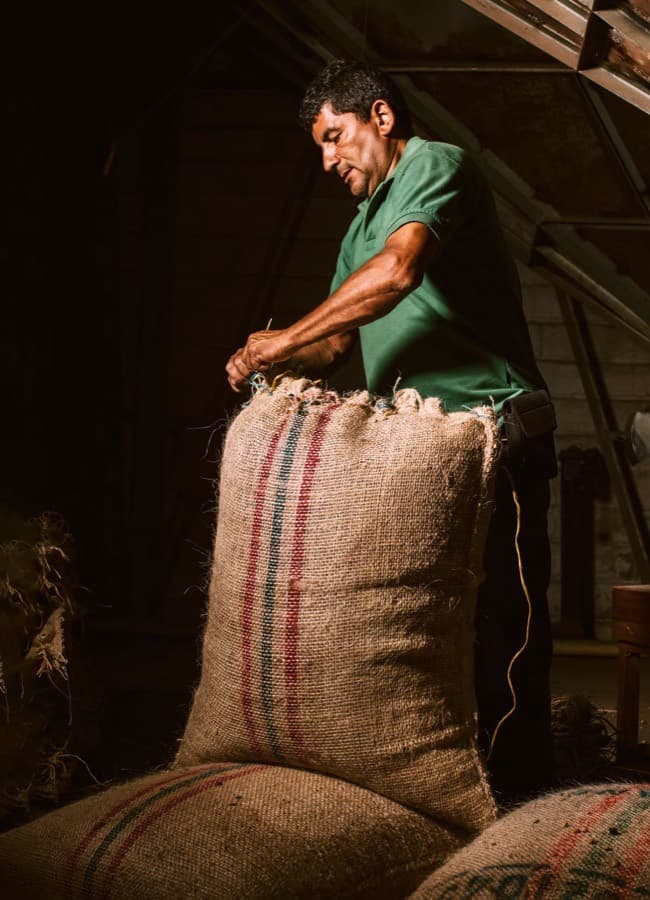
Packing & labelling
Packed to 1, 5 or 25 kg with lot codes and export labelling.
Export worldwide
EXW / FOB shipping to importers and brands.
News & insights
Notes on sourcing, quality and the regulations that shape botanical trade.
- Quality

Spice sterilisation: specify the result, not the method
The EU sets no microbiological limit for a spice. That makes your specification the only limit there is, and most of them name a method instead of a number.
Read insight → - Market

Vietnam cinnamon exports: what the EU import record actually shows
EU imports of Vietnamese cinnamon rose from 2,662 tonnes in 2019 to 6,145 in 2025. The volume line is the least useful thing in that sentence.
Read insight → - Quality

Star anise authentication: what to test before it reaches your line
The culinary species has a toxic relative that looks similar once dried. Identity testing is cheaper than a recall.
Read insight → - Regulation

Coumarin in Vietnamese cassia: what to specify, not just what's on the label
What the EU actually limits, how cassia compares to Ceylon, and exactly what to specify per lot.
Read insight →
Buying Vietnamese herbs and spices at wholesale
Vietnam is one of the larger origins for a number of the botanicals used in food manufacturing, beverage, supplements and personal care. Its climate runs from cool northern highlands through a long tropical coast to the delta in the south, which is why a single country can supply cassia and cinnamon bark, star anise, black and white pepper, cardamom, clove, turmeric, ginger, lemongrass, pandan, roselle and a long tail of traditional medicinal species. Buying at origin shortens the chain between the farm and your process, and it means questions about harvest window, drying method or grade can be answered by the people who handled the material rather than by a broker two steps removed.
Read moreShow less
Whole, milled or extracted
Most of the catalog is available in three forms, and the right one depends on where the material enters your process. Whole and cut material keeps its volatile oil longest and suits visible inclusion, infusion and further processing in your own facility. Milled powder is specified by mesh size and suits blending, encapsulation and dry mixes where dispersion matters more than appearance. Standardized extracts are specified by marker compound and suit supplement and cosmetic formulation where a consistent active load is the point. Where a product exists in more than one form, the catalog lists each as its own SKU so that specification, packaging and price stay distinct.
Documentation and compliance
Every quotation is accompanied by the documentation an importer needs to clear customs and satisfy their own quality function. That means a representative certificate of analysis, the relevant certificates for the shipment, HS codes for the tariff line and a specification sheet covering moisture, foreign matter, mesh where applicable and the microbiological limits the lot was tested against. A certificate of analysis for the specific lot travels with the delivered goods rather than with the offer, since the figures that matter are the ones measured on the material you actually receive. Regulatory acceptance differs by destination market, so buyers remain responsible for confirming that a given product and its labelling meet the requirements where it will be sold.
Packaging, minimums and lead time
Packaging is chosen to suit the volume rather than the other way around. Smaller quantities are packed for trial and formulation work, while production volumes move in multi-wall sacks or lined cartons palletised for container loading. Minimum order quantities are set per SKU and are listed against each variant, because a light aromatic leaf and a dense root behave very differently by weight and by volume. Lead time depends on whether the material is in stock, needs milling to your mesh or has to be drawn from a specific harvest, and it is confirmed in writing with the quotation rather than estimated.
How ordering works
The catalog is open to browse without an account, so you can check species, form and specification before speaking to anyone. Pricing, downloadable documents and sample requests sit behind a verified trade account, which is standard practice in ingredient supply: prices move with harvest and freight, and they are quoted against a volume and an incoterm rather than published as a shelf price. Registration asks for the business details needed to verify that you are trading, after which you can request representative samples, ask for a formal quotation per SKU and download the documentation for the products you are evaluating.
Seasonality and harvest windows
Botanicals are agricultural products, not manufactured ones, and the calendar governs what is genuinely available rather than what can be promised. Bark, seed, flower, leaf and rhizome are each taken at different points in the year, and the same species can differ measurably between an early and a late cut. Material held from an earlier harvest is perfectly serviceable for many applications but will not carry the volatile oil of fresh crop, which is why we flag the harvest a lot comes from rather than treating every offer as interchangeable. Buyers planning a launch are better served booking against a coming harvest than assuming continuous availability, particularly for flowers and for anything sold on aroma.
Species authentication
Botanical names matter more than common names, and the gap between the two is where most import problems begin. Cassia and true cinnamon are sold interchangeably as cinnamon in many markets despite differing in coumarin content and in the rules that apply to them. Chinese star anise, the culinary species, has a toxic relative that has caused real incidents where material was bought on appearance alone. Several medicinal roots have close substitutes that look similar once dried and cut. Every SKU in the catalog carries its botanical name for this reason, and where a buyer needs it confirmed rather than stated, identity testing can be specified as part of the release criteria for the lot.
Moisture, storage and shelf life
Most quality complaints about dried botanicals trace back to water. Material dried too little will develop mould in a container crossing the tropics, and material dried too hard loses aroma and fractures into dust that fails a sieve specification. A moisture ceiling is therefore part of the specification rather than an afterthought, and it is tested before shipment rather than assumed from the drying method. On arrival, botanicals keep best cool, dark and sealed, away from strong odours that they will readily take up. Whole material generally outlasts milled, and milled outlasts nothing at all if it is left open on a production floor.
Evaluating a new origin supplier
A first order is as much a test of the supplier as of the material. Reasonable practice is to start with a representative sample against your own specification, follow it with a small commercial quantity that goes through your actual process rather than a laboratory bench, and only then commit to container volumes. Ask what happens when a lot fails, because the answer says more than any certificate: whether material is replaced, how quickly, and who carries the freight. Ask how a lot is traced back once it has left the country. A supplier who answers those questions concretely, in writing, before you have placed an order is usually the one who will answer them after something has gone wrong.